

Every time you rock up to a five-a-side or Sunday league session, you can almost feel it – the Premier League has wormed its way into the amateur game. Not in a “we’ve all got GPS vests and private chefs now” kind of way. More in a “why are we suddenly doing structured rondos on a muddy pitch in Croydon?” sort of vibe.
Premier League clubs run their squads under a microscope, tracking movement, layering tech, and carving out session plans with an almost scientific discipline. And somehow, bit by bit, that mindset has filtered down to the rest of us – the lads training after work, the teams who still argue over who’s bringing bibs. Turns out you can nick more from the Premier League than transfer gossip.
Structured Training Is Changing the Amateur Game
Remember when a warm-up meant a light jog and someone toe-poking volleys at you? Yeah, that’s gone. Even at the grassroots level, teams are splitting their sessions; technical at the start, a tactical focus later, then a dash of fitness to finish. Even grassroots sessions now look suspiciously organised: technical bits first, tactics next, then a little fitness tacked on at the end when everyone’s dying for a pint. The Football Association shared data last year showing nearly seven in ten grassroots coaches had changed how they plan sessions, leaning noticeably toward the Premier League template.

Conditioning and Recovery Take Centre Stage
Not so long ago, Sunday football players tended to skip the gym and muscle through luck and stubbornness. Now, fitness matters, a lot.
High-intensity interval training, popular on YouTube and fitness apps, has swept into the world of the amateur. Data from PureGym shows nearly half of players have added football-specific HIIT sessions or sprints to their routines over the last two years.
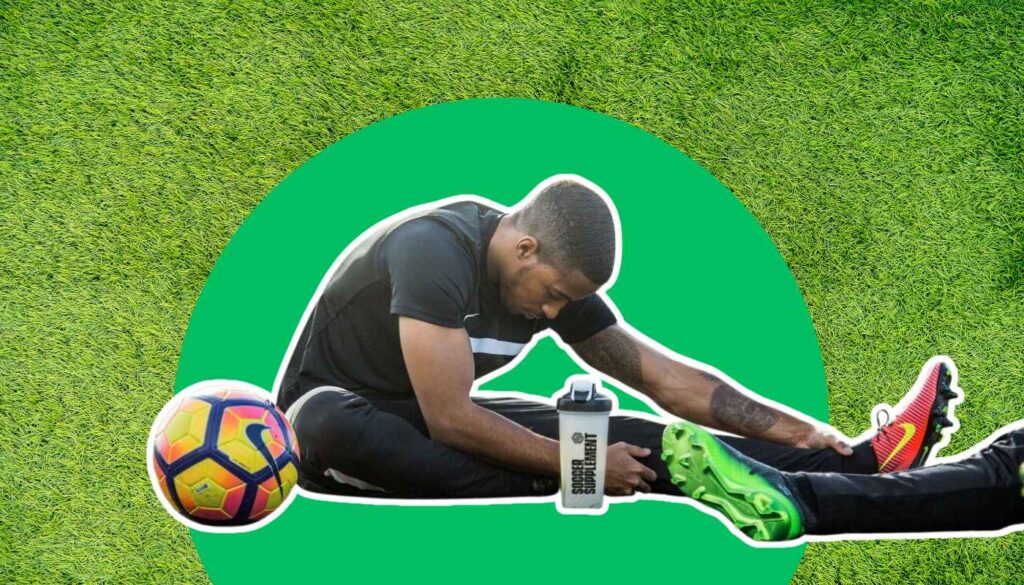
Runners slap down foam rollers after games, teams work through dynamic stretches copied straight from pro warm-ups, and there’s even talk of cooldown routines, something nobody bothered with a decade ago. It’s not glamorous, but it genuinely works. Sharper legs, fewer rolled ankles, and the rare feeling of actually being able to breathe in the last ten minutes.
Mental Preparation and Tactical Awareness Spread Beyond the Elite
Football has always been a mental game, but now even mid-table pub teams act on it.
Players listen to football podcasts, scroll social clips of high-level coaches, and then bring those fresh tactics to their teams. Video review is common, even without snazzy software; a teammate’s phone recording does the job. You don’t need fancy software; you just need someone willing to save the footage instead of accidentally deleting it.
Some even compare their pre-match analysis match prediction tools, as Coaches start outlining pressing schemes and counterattack triggers before matches in language everyone can understand.
Online, tutorials have begun sneaking into off-pitch preparation. Some players even compare new drills to the quick-hit challenge style of fishin frenzy, trying out tricks or setups they saw on YouTube just minutes before stepping onto the turf. The rest of us? We stick to the basics – a couple of cones, a half-baked plan, and whatever advice your mate gives you while tying his laces. It’s organised… but only just.
Practical Lessons from Premier League Methods
You can see echoes of the Premier League everywhere in grassroots football now, whether it’s session structure, skill routines, smarter fitness plans, or attention to the mental side.
The gap to the pros is still massive, obviously, but the mindset has shifted. Ordinary players want to improve. They want to train properly. They want to win that 7pm kickabout like it’s the Champions League final. And honestly, the game feels better for it.
